Selead Prototype Technology Limited
- E-mail :[email protected]
- Tel :+86 0755 2708 5134
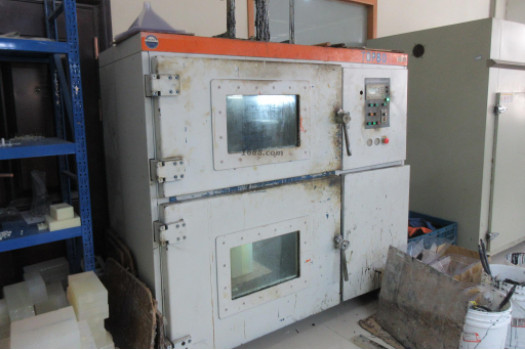
Vacuum Casting-Urethane Casting
Polyurethane vacuum casting is a method for making high quality prototypes or
low volumes of parts formed from inexpensive silicone molds. Copies made in this
way show great surface detail and fidelity to the original pattern.We offer a complete
turnkey solution for creating master patterns and cast copies based on your CAD
designs.We not only make high-quality molds but we also offer a full line of finishing
services including painting, sanding, pad printing and more. We will help you create
parts for showroom quality display models, engineering test samples, crowdfunding
campaigns and much more.
“ We have a positive long standing relationship with Selead Proto.They are always friendly and professional, and respond to any queries quickly and promptly. We trust both the quality and the capability of Selead Proto when supplying us with product and hope our working relationship only continues to grow and develop. ”
Abli, Purchasing
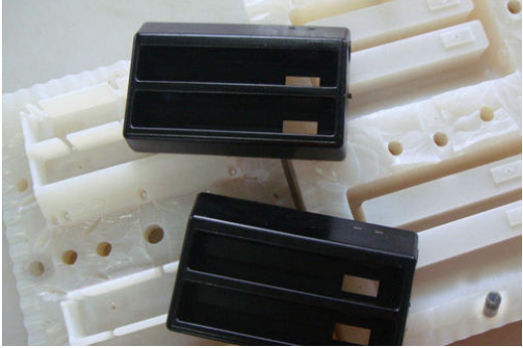
Advantages of Vacuum Casting
Urethane casting has a low-cost and quick turnaround for high-quality plastc parts
compared to that of injection molding or 3D printing.Where injection molding requires
expensive up-front investment for the machining of the mold,plastic urethane casting's
silicone mold, or " soft tooling," is relatively inexpensive and easy to produce off the
master pattern. Where most 3D printing processes require extensive post processing
to get to a near-finished state, a urethane cast part comes out of the mold ready to go
with just a few minutes of clean up.Urethane casting is the go-to solution when looking
to do on-demond prototyping or low-volume production of rigid, flexible, clear,
colored, or even rubber-such as plastic parts.It's truly a jack of all trades process.
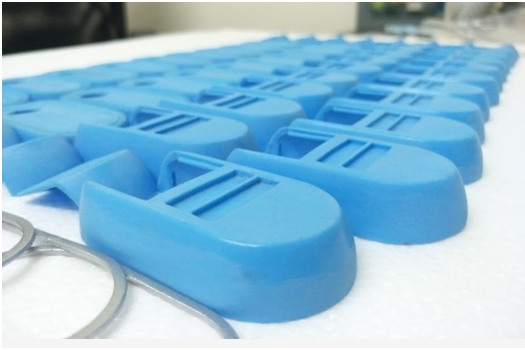 Vacuum Casting Process
Step 1:Master building
Masters are 3D solids of your CAD designs. They are usually made by CNC
machining or with 3D Printing. Making Master in 40° temperature. After finish and
inspect the masters, we will move to silicone mold making.
Step 2: Mold making
Casting molds are made from liquid silicone. Half-Fill the casting box with liquid
silicone, Heat the casting box until silicone is fully cured and then allowed to cure
in an oven for 16 hours. Fill with extra silicone liquid which is also heated & cured.
Once dried, the mold is cut open and the master removed.
Step 3: Make the parts
Poured the casting resins into the empty cavity to create a highly accurate copy of
the original. It’s even possible to overmold with two or more materials. Silicone
molds are typically good for 20 or so copies of the master pattern.
Vacuum Casting Materials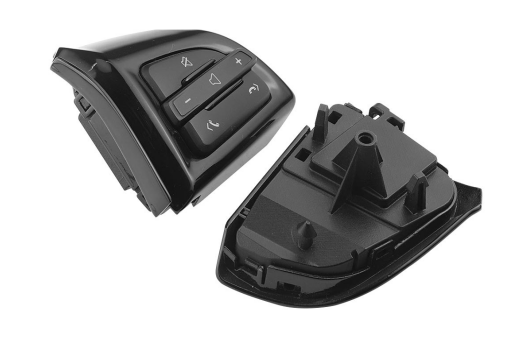
Hundreds of casting polymers are commercially available to reproduce any
conceivable hardness and surface texture. It is also possible to make parts that are
fully opaque, translucent or completely transparent depending on your application.
We are able to duplicate the product in a range of different plastic simulant materials,
UPX5210, PX223, PX521, PX527, PX223-HT, UP8150, UP8260, UP4280, UP5290,
UP5690,UPX8400,and more.Exotic materials and special requests can be purchased
or imported if required. Please kindly ask us when in doubt.
Vacuum Casting Tolerances
The finished dimensions of vacuum cast parts are dependent on the accuracy of the
master pattern, the part’s geometry and the type of casting material used. Generally
a shrinkage rate of 0.15% is to be expected.


